
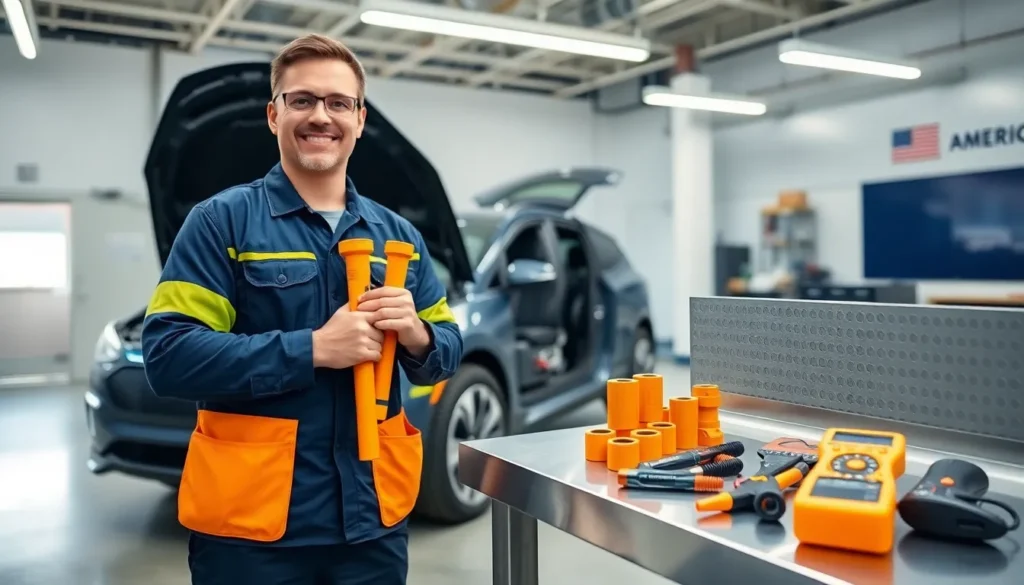
Electric vehicles tools differ from traditional automotive tools in important ways. High-voltage systems, regenerative braking, and battery packs require specific equipment for safe maintenance and repair. Whether you’re a DIY enthusiast or a professional mechanic, having the right electric vehicles tools makes all the difference.
The shift to electric transportation has created demand for specialized equipment. Standard wrenches and screwdrivers won’t cut it when you’re dealing with systems that carry hundreds of volts. This guide covers the essential electric vehicles tools every EV owner should consider adding to their garage.
Table of Contents
ToggleKey Takeaways
- Electric vehicles tools must be insulated and rated for at least 1,000 volts to safely handle high-voltage EV systems.
- Essential safety gear includes Class 0 electrical gloves, arc-rated clothing, and Class D fire extinguishers for lithium-ion battery fires.
- EV-specific OBD-II scanners monitor battery health, cell voltages, and charging data to catch problems early.
- A starter electric vehicles tools kit costs $300-500 and should include insulated hand tools, safety glasses, gloves, and a CAT III multimeter.
- Always follow lockout/tagout procedures and use proper disconnect equipment before performing any EV maintenance.
- Digital torque wrenches provide the precision needed to avoid damaging sensitive EV components or creating safety risks.
Specialized Tools for EV Maintenance
Electric vehicles tools for maintenance go beyond what most garages stock. The high-voltage components in EVs demand insulated hand tools rated for at least 1,000 volts. These tools feature multiple layers of protective coating that prevent electrical shock during routine work.
Insulated Hand Tools
A quality set of insulated wrenches, pliers, and screwdrivers forms the foundation of any EV toolkit. Look for tools that meet VDE (Verband Deutscher Elektrotechniker) certification standards. These tools undergo rigorous testing to ensure they protect users from electrical hazards.
Socket sets with insulated handles are particularly useful for battery work. Many EV battery packs use standard metric fasteners, but accessing them safely requires proper insulation. A 10mm insulated socket sees frequent use on most electric vehicles.
Torque Wrenches
Precise torque specifications matter more on EVs than on conventional cars. Battery connections, motor mounts, and suspension components all have specific torque requirements. Over-tightening can damage sensitive components, while under-tightening creates safety risks.
Digital torque wrenches offer the accuracy needed for EV work. Many electric vehicles tools in this category display real-time readings and alert users when target torque is reached. This precision prevents costly mistakes on expensive EV components.
Safety Equipment for Working on Electric Vehicles
Safety equipment ranks among the most critical electric vehicles tools. Working on EVs without proper protection can result in severe injury or death. High-voltage systems demand respect and appropriate gear.
Personal Protective Equipment
Class 0 electrical gloves provide essential hand protection for EV work. These gloves are rated for systems up to 1,000 volts AC and must be inspected before each use. Pair them with leather protector gloves to prevent punctures and tears.
Safety glasses with side shields protect against arc flash and debris. Face shields add another layer of protection during battery work. Arc-rated clothing, including flame-resistant shirts and pants, reduces burn risk if something goes wrong.
Lockout/Tagout Equipment
Disconnecting the high-voltage system before any work is non-negotiable. Lockout/tagout (LOTO) equipment ensures the system stays disconnected throughout the repair process. This includes service disconnect plugs, padlocks, and warning tags.
Many EVs have specific service disconnect procedures outlined in their manuals. Following these procedures and using proper LOTO equipment prevents accidental energization. This simple step has saved countless lives in professional shops.
First Aid and Fire Safety
Lithium-ion battery fires require Class D fire extinguishers or specialized battery fire blankets. Standard fire extinguishers won’t effectively suppress these fires. Keep appropriate fire suppression equipment within reach of any EV work area.
A well-stocked first aid kit should include burn treatment supplies. Electrical burns can be severe and require immediate attention. Training in basic first aid complements your electric vehicles tools collection.
Diagnostic and Charging Tools
Modern EVs rely heavily on electronic systems that require specialized diagnostic electric vehicles tools. These tools help identify problems, monitor battery health, and maintain charging infrastructure.
OBD-II Scanners for EVs
Not all OBD-II scanners work well with electric vehicles. EV-specific scanners read codes from the battery management system, motor controller, and other EV-unique components. Brands like Autel and Launch offer scanners with comprehensive EV coverage.
These scanners display battery state of health (SOH), individual cell voltages, and charging system data. This information helps owners track battery degradation and identify failing cells before they cause larger problems. A good scanner pays for itself by catching issues early.
Multimeters and Clamp Meters
A CAT III or CAT IV rated multimeter handles the voltage levels found in EVs. These meters safely measure DC voltage up to 1,000 volts. Cheaper multimeters lack the internal protection needed for high-voltage work.
Clamp meters measure current flow without breaking the circuit. They’re useful for diagnosing charging issues and verifying system operation. DC-capable clamp meters are essential since EVs primarily use direct current.
EVSE Testing Equipment
Electric vehicle supply equipment (EVSE) testers verify that charging stations work correctly. These electric vehicles tools check voltage, grounding, and communication protocols. Home charger installations benefit from periodic testing to ensure safe operation.
Portable EVSE testers range from simple plug-in devices to professional-grade equipment. Even basic testers can identify common problems like improper grounding or voltage drops.
Building Your EV Tool Kit
Building a collection of electric vehicles tools doesn’t happen overnight. Start with the essentials and add specialized equipment as needed.
Starter Kit Essentials
Begin with insulated screwdrivers, pliers, and a basic socket set. Add Class 0 gloves and safety glasses. A CAT III multimeter rounds out the basics. This starter kit handles most routine tasks like checking connections and performing visual inspections.
Budget around $300-500 for quality starter equipment. Cheap tools compromise safety and don’t last. Invest in reputable brands that stand behind their products.
Intermediate Additions
Once comfortable with basics, add a digital torque wrench and EV-capable OBD-II scanner. These tools open up more maintenance possibilities. A DC clamp meter helps diagnose charging and electrical issues.
Consider adding a battery load tester for 12-volt auxiliary battery testing. EVs still use conventional 12V batteries for accessories, and these batteries fail more frequently than many owners expect.
Professional-Level Equipment
Professional shops require comprehensive electric vehicles tools collections. This includes high-voltage battery lifts, coolant flush machines, and advanced diagnostic equipment. Training and certification become mandatory at this level.
The investment for professional EV service capability runs into thousands of dollars. But, the growing EV market makes this investment increasingly worthwhile for shops planning long-term.