
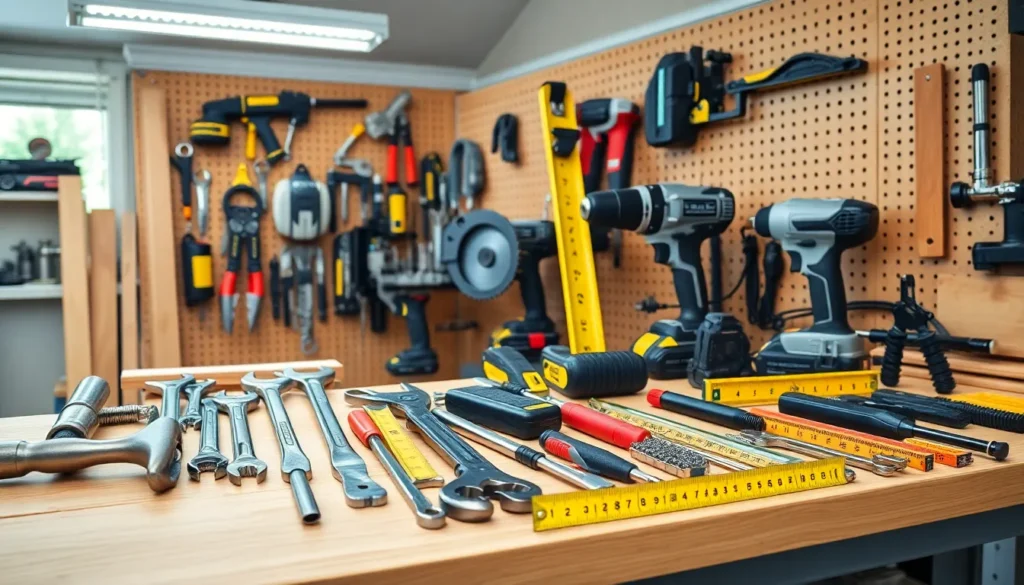
Hardware tools form the backbone of every construction, repair, and DIY project. Whether someone is hanging a picture frame or building a deck, the right equipment makes the difference between frustration and success. This guide covers the essential hardware tools every homeowner and professional should know. Readers will learn about different tool types, selection criteria, maintenance practices, and safety measures. By the end, they’ll have a clear understanding of which hardware tools belong in their collection and how to use them effectively.
Table of Contents
ToggleKey Takeaways
- Hardware tools divide into hand tools and power tools, and most projects require a combination of both for best results.
- Choose hardware tools based on project scope, frequency of use, and ergonomics rather than price alone.
- Invest more in high-use tools like drills while saving money on specialty items used occasionally.
- Clean, oil, and sharpen your hardware tools regularly to prevent rust and maintain peak performance.
- Always wear protective gear—safety glasses, gloves, and hearing protection—to prevent common tool-related injuries.
- Store tools properly in dry environments and inspect them before each use to extend their lifespan and ensure safety.
Types of Hardware Tools for Home and Professional Use
Hardware tools fall into two main categories: hand tools and power tools. Each category serves specific purposes, and most projects require a combination of both. Understanding what each type offers helps users build a well-rounded toolkit.
Hand Tools
Hand tools operate without electricity or batteries. They rely on human force and offer precise control for detailed work.
Hammers remain the most recognizable hardware tools in any collection. A standard claw hammer drives nails and removes them with its curved back end. Ball-peen hammers work better for metalwork, while mallets prevent surface damage on delicate materials.
Screwdrivers come in flathead and Phillips varieties. Quality sets include multiple sizes to match different screw heads. Magnetic tips help prevent dropped screws in tight spaces.
Pliers grip, twist, and cut materials. Needle-nose pliers reach into small areas. Slip-joint pliers adjust to grab objects of various sizes. Locking pliers clamp onto items and stay locked without continuous pressure.
Wrenches tighten and loosen nuts and bolts. Adjustable wrenches fit multiple sizes. Socket wrench sets provide faster operation and better torque.
Measuring tools ensure accuracy. Tape measures, levels, and squares help users cut materials correctly and hang items straight.
Power Tools
Power tools use electricity, batteries, or compressed air. They complete heavy tasks faster than hand tools and reduce physical strain.
Drills bore holes and drive screws. Cordless drills offer portability. Hammer drills penetrate concrete and masonry. Impact drivers provide extra torque for stubborn fasteners.
Saws cut wood, metal, and plastic. Circular saws make straight cuts through lumber. Jigsaws create curved cuts. Reciprocating saws demolish materials quickly. Miter saws produce precise angled cuts for trim work.
Sanders smooth surfaces before painting or finishing. Orbital sanders work well for flat areas. Detail sanders reach corners and edges.
Grinders shape metal and sharpen blades. Angle grinders cut through rebar, tile, and rusty bolts.
Professionals often invest in specialized hardware tools like routers, planers, and table saws. Homeowners typically start with a drill and circular saw, then expand their collection as projects demand.
How to Choose the Right Hardware Tools for Your Needs
Selecting hardware tools requires honest assessment of project requirements and budget constraints. Not every job needs professional-grade equipment, but cheap tools often fail when users need them most.
Consider the project scope. Someone building furniture needs different hardware tools than someone performing basic home repairs. List upcoming projects and identify which tools appear repeatedly. Those deserve priority investment.
Evaluate frequency of use. Daily users benefit from premium brands that withstand constant wear. Occasional users can often rely on mid-range options. Renting makes sense for one-time specialized tasks.
Check ergonomics. Hardware tools should feel comfortable during extended use. Grip texture, weight distribution, and handle length all affect user fatigue. Test tools in-store when possible.
Read reviews from actual users. Online reviews reveal real-world performance issues that specifications miss. Look for patterns in complaints, one bad review means little, but dozens mentioning the same problem signal genuine defects.
Prioritize quality in high-use items. A quality drill sees action on nearly every project. Spending more on frequently used hardware tools pays dividends over time. Save money on specialty items used only occasionally.
Buy complete sets strategically. Starter sets offer value for beginners. But, experienced users often prefer buying individual premium pieces rather than mediocre sets with redundant items.
Proper Maintenance and Storage Tips
Hardware tools last longer with regular care. Proper maintenance prevents rust, ensures accuracy, and protects investment value.
Clean tools after each use. Wipe away dust, grease, and debris. Use a stiff brush on textured surfaces. Remove sap from saw blades with mineral spirits.
Prevent rust formation. Apply light machine oil to metal surfaces. Store hardware tools in dry environments. Silica gel packets in toolboxes absorb excess moisture.
Sharpen cutting edges regularly. Dull blades require more force and produce poor results. Sharpen chisels, plane blades, and drill bits when performance declines. Replace saw blades when sharpening no longer restores cutting ability.
Check calibration on measuring tools. Tape measures stretch over time. Levels can lose accuracy if dropped. Verify calibration against known references periodically.
Inspect power cords and batteries. Frayed cords create fire and shock hazards. Replace damaged cords immediately. Charge batteries according to manufacturer guidelines to maximize lifespan.
Store hardware tools properly. Hang tools on pegboards or store them in designated drawers. Keep cutting edges protected with guards or sheaths. Avoid tossing tools into jumbled bins where they can damage each other.
Service power tools annually. Replace worn brushes, clean vents, and lubricate moving parts. Some manufacturers offer maintenance services. Professional servicing extends tool life significantly.
Safety Precautions When Using Hardware Tools
Hardware tools cause thousands of injuries annually. Most accidents result from improper use, lack of protective equipment, or distraction. Following safety protocols protects users and those nearby.
Wear appropriate protective gear. Safety glasses shield eyes from flying debris. Work gloves protect hands from cuts and splinters. Hearing protection prevents damage from loud power tools. Dust masks filter harmful particles when sanding or cutting.
Inspect tools before each use. Cracked handles, loose heads, and damaged cords create hazards. Never use compromised hardware tools. Repair or replace them first.
Use tools for their intended purpose. Screwdrivers aren’t chisels. Pliers aren’t hammers. Using hardware tools incorrectly causes breakage and injury.
Secure workpieces properly. Clamps and vises hold materials steady. Unsecured pieces can shift unexpectedly, causing slips and cuts.
Maintain a clean workspace. Clutter causes trips and falls. Sawdust accumulation creates fire hazards. Clear the area before starting work.
Disconnect power tools when changing accessories. Unplugging drills before swapping bits prevents accidental activation. Remove batteries from cordless hardware tools during blade changes.
Stay focused. Never operate power tools while tired, distracted, or impaired. Most injuries happen when attention lapses. Take breaks during long projects.
Learn proper technique. Many injuries stem from incorrect form. Watch instructional videos, read manuals, and practice on scrap materials before tackling important projects.