
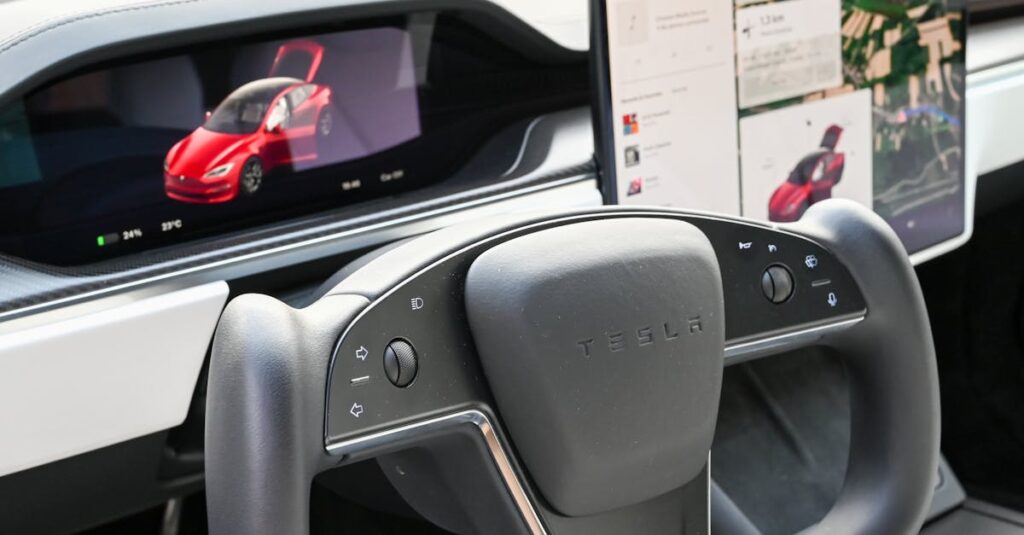
In a world where gas stations are becoming as rare as a unicorn sighting, electric vehicles are cruising into the spotlight. But what’s the secret sauce that keeps these eco-friendly rides so appealing? Enter the digital EV dashboard—a sleek, high-tech command center that not only makes driving feel like a scene from a sci-fi movie but also keeps drivers informed and entertained.
Imagine glancing at a vibrant display that tells you everything from your battery life to your favorite playlist, all while tracking your carbon footprint. It’s like having a co-pilot who knows exactly what you need, minus the awkward small talk. As electric vehicles continue to gain traction, understanding the digital dashboard’s features is crucial for both new and seasoned drivers. Buckle up as we dive into this electrifying topic and discover how these dashboards are revolutionizing the driving experience.
Table of Contents
ToggleOverview of Digital EV Dashboard
Digital EV dashboards function as advanced control centers for electric vehicles, offering drivers crucial metrics. These dashboards display real-time data such as battery status, remaining range, and energy consumption. Users can monitor various vehicle aspects, including charging cycles and energy efficiency.
Advanced features extend beyond basic metrics. Drivers can access navigation systems that suggest routes optimized for battery preservation. Infotainment systems integrate seamlessly, allowing for personalized music playlists and hands-free calls. This integration enhances the overall driving experience, making it more enjoyable and efficient.
For new drivers, familiarizing oneself with these dashboards is essential. Learning how to interpret dashboard data improves confidence and safety on the road. Experienced drivers also benefit significantly from understanding the latest dashboard features that may enhance their driving strategies.
Customization options allow users to tailor dashboard layouts based on personal preferences. Different modes might include eco-friendly driving suggestions or sportier performance setups. This adaptability ensures that drivers can engage with their vehicles in a way that suits their lifestyles.
Ultimately, digital EV dashboards play a pivotal role in modern electric vehicle experiences. They provide essential information while offering enhanced interaction and personalization. As technology continues to evolve, these dashboards will likely incorporate even more advanced functionalities, further enhancing user engagement and driving efficiency.
Key Features of Digital EV Dashboard
Digital EV dashboards feature a range of attributes that enhance functionality and user experience. These key features include user interface design, customization options, and data display and accessibility. Each of these elements contributes significantly to the overall driving experience.
User Interface Design
User interface design focuses on creating an intuitive environment. Clarity and simplicity guide the layout, making essential information easily accessible. Visual elements like graphs and animations effectively convey data. Consistent iconography helps drivers quickly interpret status indicators. Responsiveness ensures seamless interaction, allowing drivers to access menus without distraction.
Customization Options
Customization options enable users to personalize their dashboards. Drivers may adjust layouts based on their preferences or driving habits. Settings permit individuals to choose preferred themes or display styles. Widgets allow for the integration of important info like navigation or music controls directly on the dashboard. These choices cater to individual needs, enhancing engagement and satisfaction.
Data Display and Accessibility
Data display and accessibility define how information gets presented. Real-time metrics, such as battery status and range, appear prominently on the screen. Touch and voice controls facilitate ease of access while driving. Relevant notifications, such as charging station locations, get highlighted for swift decision-making. Clear fonts and contrasting colors ensure information remains legible under various lighting conditions.
Benefits of Digital EV Dashboard
Digital EV dashboards significantly enhance the driving experience by integrating technology. They provide drivers with intuitive controls and essential information at their fingertips.
Enhanced Driver Experience
Personalization greatly improves user satisfaction. Customizable layouts allow drivers to adapt their dashboards to fit individual preferences. Engaging infotainment systems make it easy for him to access music, navigation, and real-time updates. Navigation features suggest eco-friendly routes, making drives more efficient. Intuitive interfaces ensure the driver can focus on the road while easily accessing key metrics.
Improved Safety Features
Safety features are key benefits of digital dashboards. Alerts for nearby hazards help drivers make informed decisions during their journey. Integration with advanced driver-assistance systems provides real-time feedback and support for safer driving. Visual prompts for battery status and range offer critical information, reducing anxiety related to running low on charge. Clear display of speed and navigation instructions aids in maintaining focus on road safety.
Real-Time Data Monitoring
Real-time data monitoring keeps drivers informed. Dashboards present instant updates on battery status and energy consumption, allowing for efficient route planning. Metrics tracking energy use contributes to better driving habits, promoting sustainability. Clear visualization of data uses graphs and animations, enhancing comprehension of performance. Continuous input from sensors enhances decision-making during drives, boosting overall vehicle efficiency.
Challenges and Limitations
Digital EV dashboards face several challenges and limitations despite their advantages. Users must navigate these issues to fully benefit from the technology.
Technical Issues
Technical issues present significant hurdles in the functionality of digital EV dashboards. Data connectivity challenges can disrupt real-time information access, affecting battery status updates or navigation guidance. Software glitches may result in inaccuracies in displayed metrics, frustrating drivers who rely on precise information. Additionally, compatibility with various vehicle models poses another technical barrier, resulting in inconsistent user experiences across different EV brands. Manufacturers need to address these concerns to ensure reliability and user satisfaction.
Market Adoption Barriers
Market adoption barriers hinder the widespread acceptance of digital EV dashboards. High costs associated with advanced dashboard features dissuade potential EV buyers from investing in vehicles that include them. Consumer familiarity with traditional dashboard designs limits the willingness to adapt to new technologies. Moreover, varying technological standards among manufacturers lead to confusion and hesitance among buyers. Educational initiatives that demonstrate the benefits of digital dashboards can help bridge this gap and encourage greater adoption in the market.
Digital EV dashboards represent a significant leap in automotive technology. They not only enhance the driving experience but also empower drivers with essential information at their fingertips. As electric vehicles continue to gain traction, understanding and utilizing these advanced features becomes crucial for both new and seasoned drivers.
The potential for customization and real-time data monitoring fosters a more personalized journey while promoting safer driving habits. Overcoming challenges such as technical issues and market adoption barriers will be vital for widespread acceptance. Embracing educational initiatives can further bridge the gap, ensuring that drivers fully benefit from the innovations these dashboards offer.