
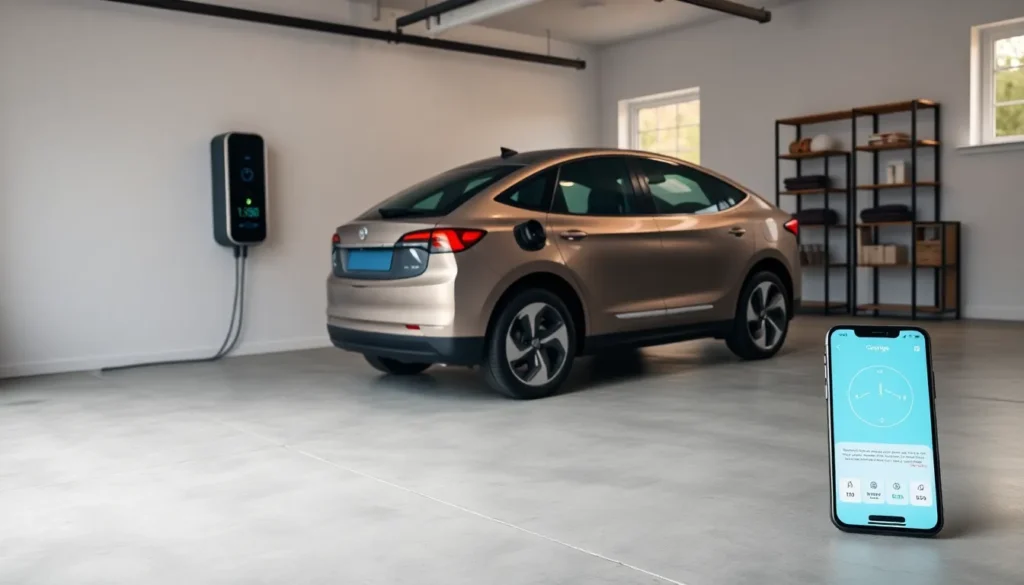
Learning how to charge electric vehicles is one of the first steps every new EV owner takes. The process is simpler than most people expect, but it does require some basic knowledge. This guide covers everything from home charging setups to public station etiquette. Whether someone just bought their first electric car or they’re considering the switch, understanding charging options makes EV ownership far more practical. Let’s break down the essentials.
Table of Contents
ToggleKey Takeaways
- Learning how to charge electric vehicles involves understanding three charging levels: Level 1 (120V), Level 2 (240V), and DC fast charging.
- Level 2 home charging adds 25–30 miles of range per hour and is the most practical upgrade for daily EV owners.
- Home charging covers about 80% of most EV charging needs, and utility rebates or time-of-use rates can significantly reduce costs.
- DC fast charging is ideal for road trips but should be used sparingly to protect long-term battery health.
- Keep your EV battery between 20% and 80% for daily driving to maximize battery lifespan.
- Download public charging apps like PlugShare and ChargePoint before you need them to avoid frustration on the road.
Understanding EV Charging Levels
Electric vehicle charging comes in three main levels. Each level offers different speeds and use cases. Knowing how to charge electric vehicles at each level helps drivers plan their routines and road trips more effectively.
Level 1 and Level 2 Home Charging
Level 1 charging uses a standard 120-volt household outlet. Every EV comes with a Level 1 charger in the box. It’s the slowest option, adding about 3 to 5 miles of range per hour of charging. For drivers who travel fewer than 40 miles daily, Level 1 often works fine. They simply plug in overnight and wake up with enough charge.
Level 2 charging requires a 240-volt outlet, similar to what powers a clothes dryer. This option adds 25 to 30 miles of range per hour, depending on the vehicle and charger. Most EV owners eventually upgrade to Level 2 because it charges a depleted battery overnight with room to spare. A licensed electrician can install a dedicated circuit in a garage or driveway area. The equipment itself typically costs between $300 and $700, with installation adding another $200 to $1,000 based on electrical panel distance and local labor rates.
Level 2 chargers come in hardwired and plug-in versions. Plug-in models offer flexibility since owners can take them when moving homes. Hardwired units look cleaner and sometimes offer slightly higher power output.
DC Fast Charging on the Go
DC fast charging, also called Level 3, delivers rapid charging speeds. These stations convert AC power to DC before sending it to the battery. This bypasses the vehicle’s onboard charger and dramatically reduces wait times.
Most DC fast chargers add 100 to 200 miles of range in 20 to 40 minutes. Tesla Superchargers, Electrify America stations, and ChargePoint express units all fall into this category. Drivers typically use DC fast charging during road trips or when they need a quick top-up.
One important note: frequent DC fast charging can stress a battery over time. Heat generated during rapid charging affects long-term battery health. Most manufacturers recommend using fast charging only when necessary rather than as a daily habit.
Setting Up Home Charging
Home charging handles about 80% of most EV owners’ charging needs. Setting it up correctly saves time and money in the long run.
First, drivers should assess their daily driving habits. Someone commuting 20 miles round-trip might do fine with Level 1. But a household with two electric vehicles or a driver covering 60+ miles daily benefits significantly from Level 2 installation.
Before purchasing a charger, it’s smart to check the home’s electrical panel capacity. Older homes with 100-amp service may need an upgrade to accommodate a 40-amp or 50-amp EV circuit. A qualified electrician can evaluate the situation and provide accurate quotes.
Many utility companies offer EV charging rebates or time-of-use rate plans. These programs let owners charge overnight at reduced rates, sometimes half the standard electricity cost. Checking with the local utility before installation can reveal substantial savings opportunities.
Popular home charger brands include ChargePoint, JuiceBox, Grizzl-E, and Wallbox. Tesla owners can use the Tesla Wall Connector or any J1772 charger with an adapter. Smart chargers with WiFi connectivity allow scheduling and energy monitoring through smartphone apps.
Using Public Charging Stations
Public charging stations fill the gap when home charging isn’t available or sufficient. Knowing how to charge electric vehicles at public stations makes longer trips stress-free.
Most public stations require an app or RFID card to start a session. PlugShare, ChargePoint, and Electrify America are among the most common networks. Downloading these apps before needing them prevents frustration at the charger.
Pricing varies widely. Some stations charge by the minute, others by the kilowatt-hour. A few locations, particularly at hotels, shopping centers, and workplaces, offer free charging as a customer perk. DC fast charging typically costs more, ranging from $0.30 to $0.60 per kWh at most networks.
Charging etiquette matters at public stations. Drivers should move their vehicle promptly after reaching adequate charge. Hogging a charger while shopping for hours frustrates other EV owners. Many networks now impose idle fees after a session completes to encourage turnover.
Planning ahead helps on road trips. Apps like A Better Route Planner calculate optimal charging stops based on vehicle model, weather conditions, and real-time station availability. This takes the guesswork out of long-distance EV travel.
Tips for Maximizing Your EV Battery Life
Understanding how to charge electric vehicles properly extends battery longevity. A few simple habits make a real difference over years of ownership.
Keep the battery between 20% and 80% for daily driving. Charging to 100% or draining to near-empty stresses the cells. Most EVs let owners set a charge limit through the dashboard or app. Setting it to 80% for regular use and only charging to 100% before long trips is a solid strategy.
Avoid parking with a full or empty battery in extreme temperatures. Heat accelerates battery degradation, especially when cells are fully charged. If possible, park in shade during summer and in a garage during winter.
Preconditioning the battery before DC fast charging improves charging speed and reduces stress. Many EVs automatically precondition when a fast charger is set as the navigation destination. This warms the battery to optimal temperature before arrival.
Regular software updates often include battery management improvements. Keeping the vehicle’s software current ensures the battery management system operates with the latest optimizations from the manufacturer.