
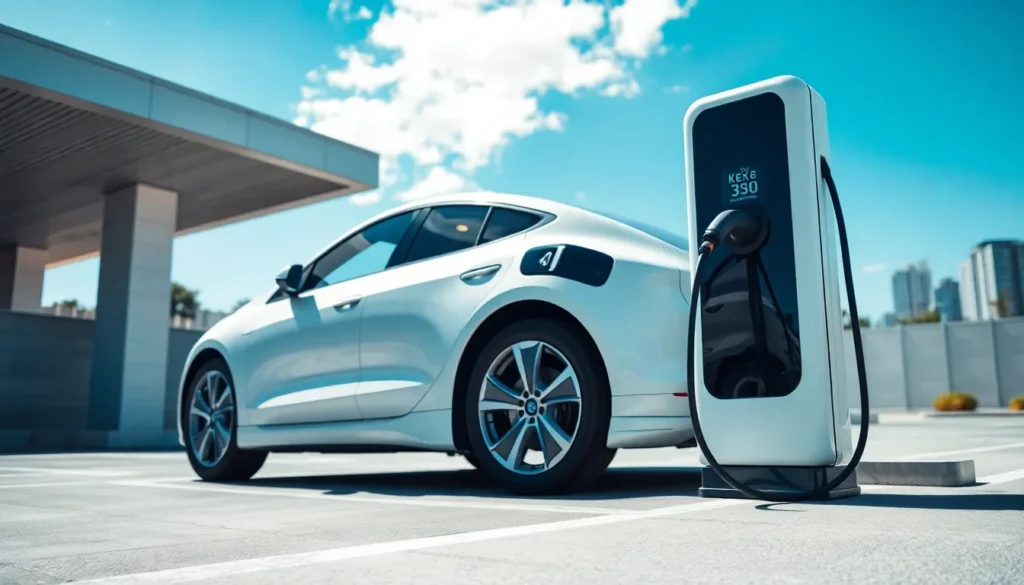
Electric vehicles have transformed how people think about transportation. An electric vehicle uses electricity instead of gasoline to power its motor. These cars produce zero direct emissions and offer lower operating costs than traditional vehicles. Sales of electric vehicles grew by over 30% globally in 2024, signaling a major shift in consumer preferences.
This guide explains what electric vehicles are and how they function. It covers the different types available, their key benefits, and the challenges buyers should consider. Whether someone is researching their first EV purchase or simply curious about this technology, this article provides the essential information needed to understand electric vehicles.
Table of Contents
ToggleKey Takeaways
- An electric vehicle uses rechargeable battery packs and electric motors instead of gasoline engines, producing zero direct emissions.
- Electric vehicles come in three types: Battery Electric Vehicles (BEVs), Plug-in Hybrids (PHEVs), and Hybrid Electric Vehicles (HEVs).
- Driving an electric vehicle costs roughly $0.04 per mile compared to $0.12 for gasoline, saving owners up to $960 annually on fuel.
- EV owners spend about 50% less on maintenance due to fewer moving parts and regenerative braking that extends brake life.
- Most electric vehicles offer 200-350 miles of range per charge, with home charging overnight being the most convenient option for daily use.
- Federal tax credits up to $7,500 plus state rebates can significantly offset the higher upfront cost of electric vehicles.
How Electric Vehicles Work
Electric vehicles operate differently than gasoline-powered cars. Instead of an internal combustion engine, an electric vehicle uses one or more electric motors powered by a rechargeable battery pack.
The Battery Pack
The battery pack serves as the fuel tank of an electric vehicle. Most EVs use lithium-ion batteries, similar to those in smartphones but much larger. These batteries store electrical energy and release it to power the motor. Battery capacity is measured in kilowatt-hours (kWh). A typical electric vehicle has a battery between 40 kWh and 100 kWh.
The Electric Motor
Electric motors convert electrical energy into mechanical motion. They spin the wheels directly or through a simple transmission. Electric motors deliver instant torque, which means electric vehicles accelerate quickly from a stop. This makes them responsive and fun to drive.
Regenerative Braking
When an electric vehicle slows down, its motor works in reverse. It captures kinetic energy and converts it back into electricity. This process, called regenerative braking, recharges the battery while driving. It extends range and reduces brake wear.
Charging the Vehicle
Owners charge electric vehicles using three main methods. Level 1 charging uses a standard household outlet and adds about 3-5 miles of range per hour. Level 2 charging requires a 240-volt outlet and adds 10-30 miles per hour. DC fast charging can add 100+ miles in 30 minutes at public stations. Most electric vehicle owners charge overnight at home.
Types of Electric Vehicles
Not all electric vehicles work the same way. Three main categories exist, each with different powertrains and capabilities.
Battery Electric Vehicles (BEVs)
Battery electric vehicles run entirely on electricity. They have no gasoline engine or fuel tank. Popular examples include the Tesla Model 3, Chevrolet Bolt, and Ford Mustang Mach-E. BEVs typically offer 200-350 miles of range on a single charge. They produce zero tailpipe emissions and have the lowest operating costs among electric vehicles.
Plug-in Hybrid Electric Vehicles (PHEVs)
Plug-in hybrids combine an electric motor with a gasoline engine. They can drive 20-50 miles on electricity alone before the gas engine activates. The Toyota RAV4 Prime and Jeep Wrangler 4xe fall into this category. PHEVs suit drivers who want electric commuting with gasoline backup for longer trips.
Hybrid Electric Vehicles (HEVs)
Standard hybrids use both electric motors and gasoline engines but cannot plug in. The battery recharges through regenerative braking and the engine. The Toyota Prius pioneered this category. While HEVs improve fuel efficiency, they still rely primarily on gasoline. Many experts don’t consider them true electric vehicles since they lack external charging capability.
Benefits of Driving an Electric Vehicle
Electric vehicles offer several advantages over traditional gasoline cars. These benefits span financial savings, environmental impact, and driving experience.
Lower Fuel Costs
Electricity costs less than gasoline per mile traveled. The average American spends about $0.04 per mile to drive an electric vehicle versus $0.12 per mile for gasoline. That difference adds up quickly. A driver covering 12,000 miles annually could save $960 or more each year on fuel alone.
Reduced Maintenance
Electric vehicles have fewer moving parts than gasoline cars. No oil changes. No transmission fluid. No spark plugs or timing belts. Brake pads last longer thanks to regenerative braking. Owners of electric vehicles typically spend 50% less on maintenance over the vehicle’s lifetime.
Environmental Impact
Battery electric vehicles produce zero direct emissions. Even accounting for electricity generation, electric vehicles create fewer greenhouse gases than gasoline cars in most regions. As the electrical grid shifts toward renewable energy, the environmental advantage of electric vehicles continues to grow.
Tax Credits and Incentives
Many governments offer incentives to encourage electric vehicle adoption. In the United States, federal tax credits of up to $7,500 apply to qualifying new EVs. State and local rebates add additional savings. Some utilities offer reduced electricity rates for EV charging during off-peak hours.
Performance Advantages
Electric motors deliver power instantly. Many electric vehicles accelerate faster than comparable gasoline cars. The low center of gravity from floor-mounted batteries improves handling. These vehicles run quietly and smoothly, creating a refined driving experience.
Challenges and Considerations
Electric vehicles aren’t perfect for everyone. Potential buyers should weigh several factors before purchasing.
Range Limitations
Most electric vehicles travel 200-300 miles per charge. This works fine for daily commutes and errands. But, long road trips require planning around charging stops. Range anxiety, the fear of running out of power, concerns some potential buyers, though charging infrastructure continues to expand rapidly.
Charging Infrastructure
Public charging stations aren’t as common as gas stations yet. Urban areas have more options than rural regions. Apartment dwellers may struggle to install home chargers. Prospective buyers should evaluate charging options near their home and workplace before purchasing an electric vehicle.
Higher Purchase Price
Electric vehicles often cost more upfront than equivalent gasoline models. A base Tesla Model 3 starts around $40,000. But, tax credits, lower fuel costs, and reduced maintenance can offset this difference over time. Used electric vehicle prices have also dropped significantly.
Charging Time
Filling a gas tank takes five minutes. Charging an electric vehicle takes longer. Even fast chargers need 30-45 minutes to provide substantial range. Home charging works well overnight but requires planning. This timing difference represents a lifestyle adjustment for some drivers.
Battery Degradation
All batteries lose capacity over time. Electric vehicle batteries typically retain 80-90% of their original capacity after 100,000 miles. Manufacturers offer 8-year battery warranties on most models. Still, battery replacement costs remain a concern for long-term ownership.